What Elliot should have taught brands about emotion. But hasn’t.

Top line. Despite clear neuroscientific proof that emotion—not reason—drives decisions, most brands still aim messages at the rational mind. And continue to fail. The Elliot case proved that without emotion, the brain can’t choose or react. Read to discover how to strategically leverage the brain’s emotional system for a neural edge over rivals. Before surgery, Elliot* […]

What Elliot should have taught brands about emotion. But hasn’t. Read More →

In two minds

Top line. In the 1970s, Kahneman and Tversky discovered that the brain integrates a conscious and subconscious system to make decisions. But the big, Nobel-winning surprise? Not the rational mind—but the subconscious—is the brain’s true decision-making mastermind. Read this to unpack how the two systems work, and how brands can influence them. In the early

In two minds Read More →

The more they warned, the more they smoked

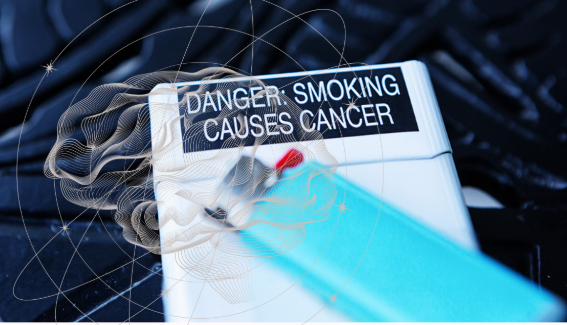
Top line. Gruesome cigarette warnings backfired—driving smoking rates up instead of down. The reason? Hidden mental frictions like the reactance bias, which blocks persuasion when freedom feels threatened. This article unpacks five subconscious stumbling blocks, drawn from Jonah Berger’s The Catalyst, and offers tactics to help shift stubborn mindsets. Gruesome images and grim stats didn’t

The more they warned, the more they smoked Read More →

The subconscious brain is more influenced by questions

Why questions work better than answers

In 2017, an Australian ad campaign to persuade consumers to reduce plastic straw consumption crashed and burned. The campaign didn’t fail because Australians aren’t bothered about the 8 million tonnes of non-biodegradable plastic that gets dumped into the world’s oceans every year. It bombed because the human subconscious mind cares about its autonomy more. When

Why questions work better than answers Read More →

Why overconfidence can put a business under

Abstract. The Challenger disaster revealed a hidden human flaw: overconfidence bias. This article explores how the subconscious mind’s energy-saving shortcuts cause decision-makers to ignore critical data, leap to flawed conclusions, and overestimate their judgement. And how applying disciplined data interrogation can help businesses counter dangerous overconfidence before costly mistakes happen. When social science teacher Christa

Why overconfidence can put a business under Read More →

Gorillas in the missed

To move any mind, beliefs must shift. New or altered beliefs are like frogs. Introduce them to a hot head, and they’re out in a flash. But make small, continuous adjustments, and they get tolerated. Little by little, the mind accepts the change, and new beliefs take hold.

Gorillas in the missed Read More →