What Elliot should have taught brands about emotion. But hasn’t.

Top line. Despite clear neuroscientific proof that emotion—not reason—drives decisions, most brands still aim messages at the rational mind. And continue to fail. The Elliot case proved that without emotion, the brain can’t choose or react. Read to discover how to strategically leverage the brain’s emotional system for a neural edge over rivals. Before surgery, Elliot* […]

What Elliot should have taught brands about emotion. But hasn’t. Read More →
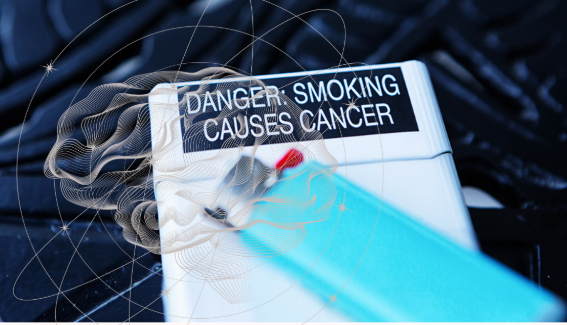
The more they warned, the more they smoked

Top line. Gruesome cigarette warnings backfired—driving smoking rates up instead of down. The reason? Hidden mental frictions like the reactance bias, which blocks persuasion when freedom feels threatened. This article unpacks five subconscious stumbling blocks, drawn from Jonah Berger’s The Catalyst, and offers tactics to help shift stubborn mindsets. Gruesome images and grim stats didn’t

The more they warned, the more they smoked Read More →

Pictures paint a thousand words

Top line. Images don’t decorate your message—they direct it. The brain relies more on visuals than any other sense to frame meaning and trigger decisions. A simple image swap on a diet website lifted conversions by 52%. Read on to learn why visuals steer the subconscious—and how to use them strategically. Why visuals help the

Pictures paint a thousand words Read More →

To change a belief, boil it

Top line. Want to change someone’s mind? You won’t—unless you shift their underlying beliefs. But strongly held beliefs are hard to move. Read this to learn why beliefs resist change, and how to use behavioural science tactics to gradually dislodge them—and replace them with ones that get you the decisions and behaviours you want. Drop

To change a belief, boil it Read More →